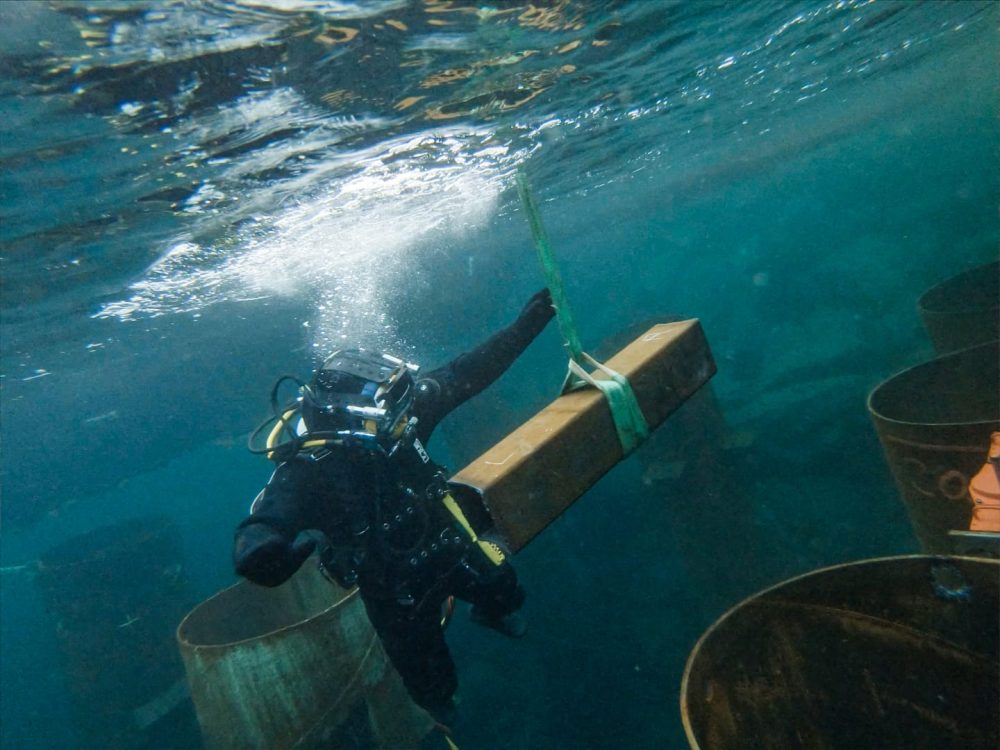
Underwater salvage and object recovery operations require meticulous planning, precise engineering calculations, and reliable marine equipment. Operating in the Baltic Sea presents unique environmental challenges, including variable visibility, strong currents, cold water temperatures, and often an unstable seabed. Whether dealing with sunken vessels, submerged heavy machinery, or structural debris from marine construction, successful lifting demands a comprehensive understanding of hydrodynamics, buoyancy control, and structural integrity.
Preparation and Site Assessment
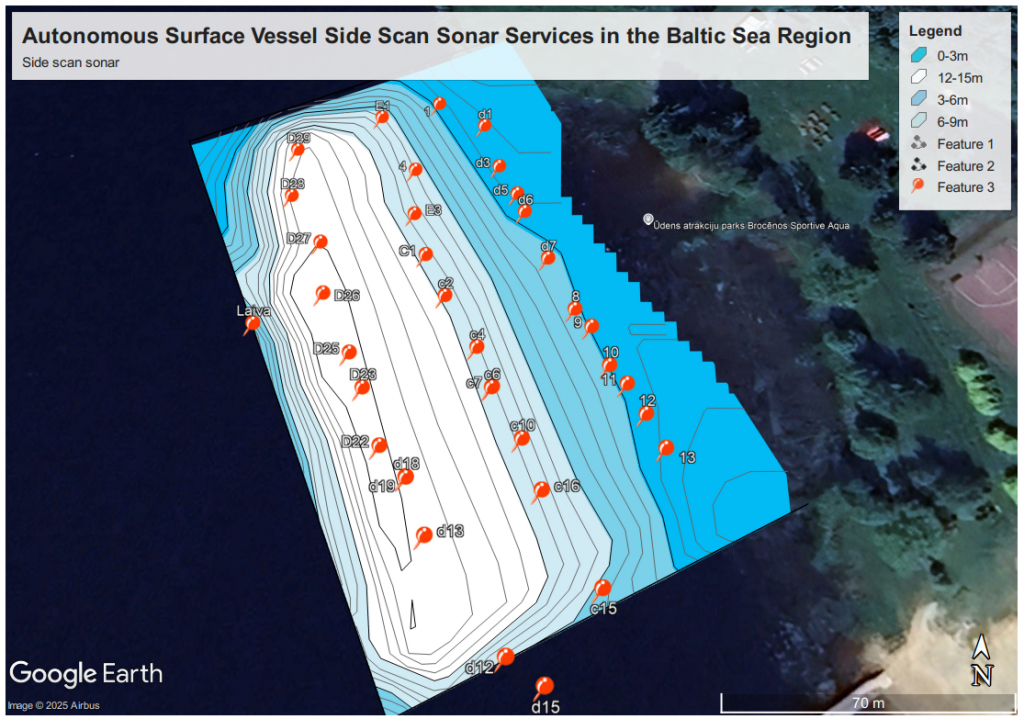
Before any physical lifting operation begins, a thorough site assessment is mandatory. Engineers and project managers must evaluate the exact position, orientation, and weight of the submerged object. Silt and sediment accumulation often buries parts of the target, requiring careful excavation or suction dredging before attachment points can be secured. Remotely Operated Vehicles (ROVs) play a critical role during this initial phase. Equipped with high-definition cameras and multibeam sonar, ROVs map the debris field and inspect structural damage without risking human divers in unstable conditions.
Risk Management in Marine Salvage
Safety is the primary concern in any maritime salvage project. Underwater environments are inherently unpredictable, and lifting heavy loads introduces massive mechanical tensions. Teams must calculate safety margins for rigging equipment, including wire ropes, shackles, slings, and heavy-duty lift bags. Every component of the lifting train must be certified and regularly tested. Furthermore, environmental risks such as fuel leaks or hazardous cargo must be identified and mitigated before lifting commences. Containment booms and specialized pumping systems are often deployed to prevent marine pollution during wreck removal.
Lifting Techniques and Technologies
Depending on the depth, weight, and location of the submerged object, several distinct lifting techniques are employed by commercial marine contractors. Understanding these methods helps project planners select the most efficient approach for their specific scenario.
- Lift Bags and Buoyancy Systems: Pneumatic lift bags are attached to the object and gradually inflated using compressed air. This method is highly effective for raising heavy items from the seabed to the surface in controlled increments.
- Crane Vessels and Floating Shearlegs: For heavy lifts near ports, coastal structures, or shallow waters, surface crane vessels provide direct vertical hoist capability. These operations require precise coordination between the deck crew and underwater teams.
- Subsea Winches and Pulling Systems: In deeper offshore waters or restricted areas, hydraulic winches mounted on support vessels apply steady tension to cables rigged to the target object.
Each technique requires constant monitoring of load cells, tension gauges, and environmental sensors. If an object is severely structurally compromised, single-point lifting can cause it to break apart. In such cases, multiple attachment points distribute the load evenly across the structure.
The Role of Commercial Divers and ROVs
While surface-supplied commercial divers handle complex underwater rigging, cutting, and welding tasks, ROVs provide continuous observation and support. Divers working at depth face strict nitrogen narcosis and decompression limits, making bottom time a precious resource. Deploying an ROV to inspect rigging attachments before the final lift reduces the need for repeated diver descents, thereby increasing overall operational safety and efficiency.
Subsea visibility in the Baltic Sea is notoriously poor due to organic matter and suspended sediments. Consequently, sonar navigation and tactile feedback become primary tools for the underwater team. Modern sensors allow operators to monitor positioning and movement in real time, ensuring that the lift remains aligned with engineering projections.
Post-Lift Inspection and Environmental Clearance
Once the object reaches the surface or is safely deposited onto a barge, the work is not yet complete. Engineers conduct a post-lift structural inspection to analyze stress points and failures. Meanwhile, environmental teams survey the seabed crater left behind by the removed object to ensure no hazardous debris remains. Comprehensive documentation, including dive logs, sensor data, and video recordings, is compiled for regulatory authorities and project stakeholders. Professional salvage requires absolute adherence to maritime standards, ensuring that every phase from initial survey to final clearance meets rigorous technical benchmarks.