Introduction to Subsurface Surveys
Subsurface surveys form the backbone of safe marine infrastructure development, navigation, and environmental monitoring in the Baltic Sea. Operating in this region presents distinct physical challenges, including low visibility, brackish water, shifting seabed sediments, and variable weather conditions. Since 2006, Dronelab has executed numerous complex underwater inspection projects across ports, coastal waters, and offshore installations in Riga and the broader Baltic region. Understanding the methodology behind these inspections helps asset owners maintain structural integrity and comply with strict maritime regulations.
The Role of Commercial Diving in Inspections
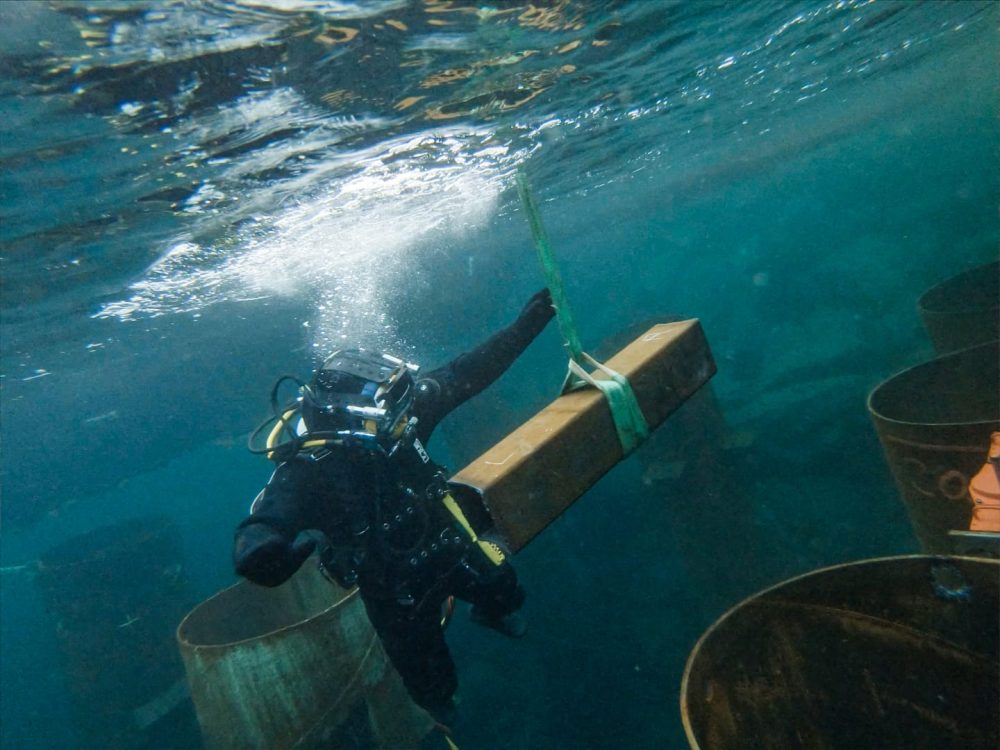
Commercial diving remains an essential component of underwater inspection when human dexterity, tactile feedback, and direct visual confirmation are required. Divers operate in specialized equipment, utilizing surface-supplied breathing apparatus and advanced communication systems to ensure safety and precision. During structural assessments of quay walls, bridge piers, and submerged pipelines, commercial divers conduct visual checks, thickness measurements, and non-destructive testing. Although remote technologies have advanced rapidly, human divers continue to excel in confined spaces, complex geometry assessments, and tasks requiring immediate physical intervention.
Safety Protocols and Environmental Conditions
Working underwater in the Baltic Sea demands rigorous adherence to safety standards. Tidal variations might be minimal, but strong currents, subsurface obstacles, and Baltic shipping traffic create hazardous working environments. Professional dive teams plan every operation meticulously, accounting for water temperature, bottom time, and decompression limits. Equipment is routinely inspected and calibrated to withstand corrosive marine conditions. Safety standby divers, dedicated supervisors, and medical support are mandatory components of any commercial diving spread deployed by Dronelab.
Utilizing ROVs and USVs for Hydrographic Surveys
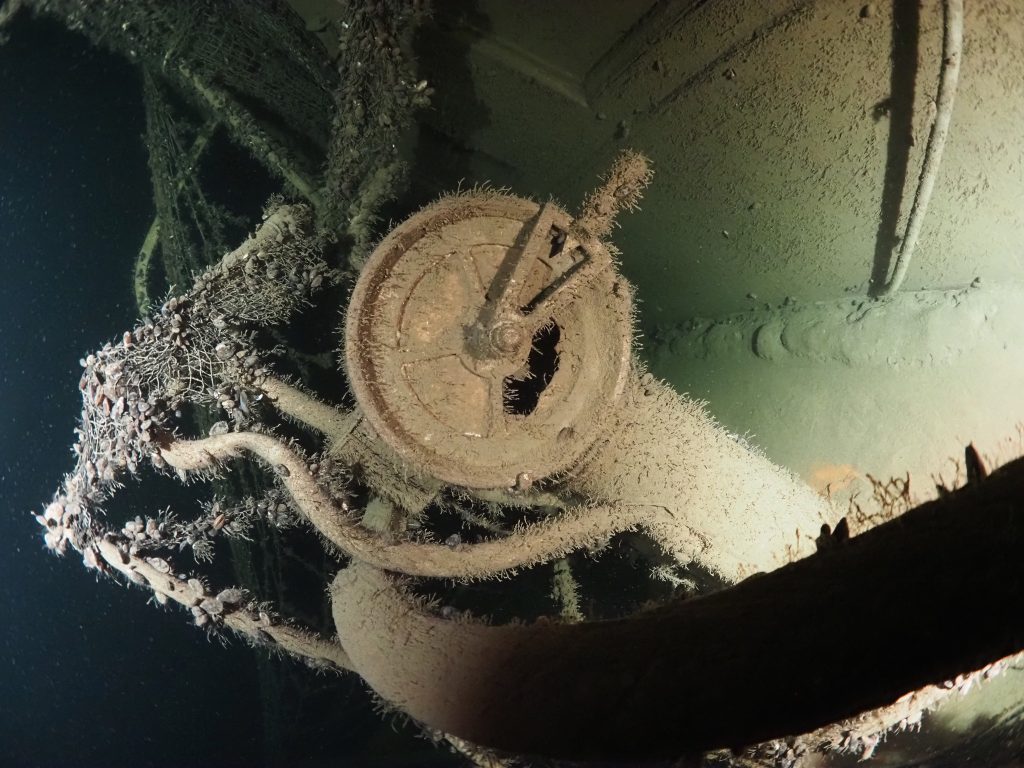
Remotely Operated Vehicles (ROVs) and Unmanned Surface Vehicles (USVs) have transformed hydrographic surveying and structural inspection. These robotic systems allow operators to inspect deepwater assets, wreck sites, and hazardous zones without exposing human divers to unnecessary risks. Equipped with high-definition optical cameras, multibeam echosounders, side-scan sonars, and laser measurement tools, ROVs capture precise spatial data and high-resolution video footage. USVs complement these underwater operations by conducting bathymetric mapping and surface-level hydrographic profiling across large areas efficiently.
Data Acquisition and Processing
The true value of modern underwater inspection lies in accurate data acquisition and subsequent analysis. Sonar systems map the seabed topography, revealing scouring around foundations, buried cables, and submerged obstructions. Photogrammetry software stitches together visual frames to create accurate 3D models of subsea structures. Engineers and hydrographers process this telemetry to detect structural fatigue, corrosion, cracking, or displacement long before failure occurs. This proactive approach to asset management minimizes costly emergency repairs and extends the operational lifespan of marine infrastructure.
Applications in Ports and Offshore Infrastructure
Ports, harbours, and offshore wind installations require regular inspection routines to maintain operational safety. Silt accumulation, ship impacts, and material degradation constantly threaten maritime structures. Hydrographic surveys track sedimentation rates in navigation channels, ensuring that dredging operations target the correct areas. Meanwhile, targeted ROV and diver inspections evaluate the condition of sheet piles, anode systems, and underwater welding on steel or concrete piles. By combining commercial diving expertise with advanced robotic tools, operators achieve comprehensive situational awareness across all submerged assets in the Baltic basin.
Conclusion
Effective underwater inspection requires a balanced integration of experienced commercial divers, state-of-the-art ROVs, reliable USVs, and sophisticated hydrographic survey instruments. Navigating the unique marine environment of the Baltic Sea demands localized knowledge, technical proficiency, and adherence to established industry standards. Through consistent methodology and careful data analysis, asset managers can safeguard critical infrastructure against the relentless forces of the sea, ensuring long-term safety and operational continuity across all maritime sectors.