
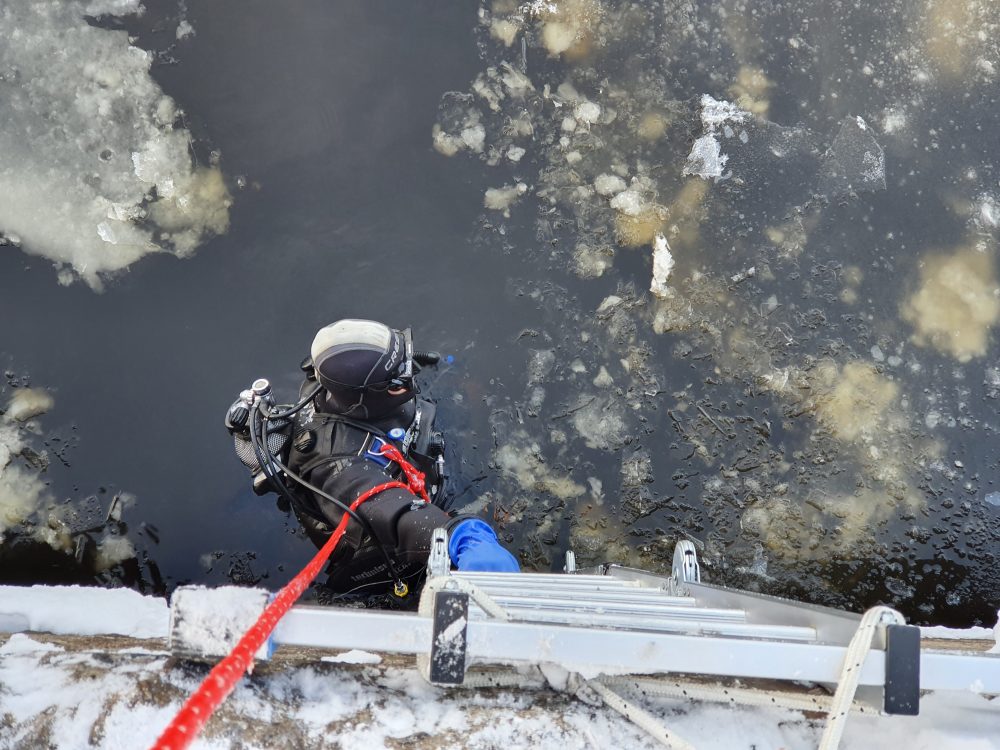
The world of underwater exploration is surrounded by various perceptions often fueled by movies and folklore. A diving instructor's daily routine and training process reveal an entirely different reality based on physical laws, careful planning, and continuous skill refinement.

The Myth of Effortless Flight and Unlimited Freedom
A frequently heard belief is that a diver simply floats underwater without any constraints, much like an astronaut in zero gravity. While buoyancy control creates a feeling of weightlessness, this environment demands strict discipline and precision.
In reality, every movement, breathing rhythm, and depth change is closely tied to equipment management. Instructors emphasize that this perceived freedom is built upon strict adherence to rules and the ability to maintain composure in any situation.
Equipment and Its Role in a Diver's Routine
There is a misconception that modern gear makes diving an automatic and carefree process where a person needs to exert no effort at all. In truth, every apparatus and gas mixture requires careful pre-dive inspection.
Facts show that a diver's safety and comfort directly depend on their ability to understand and maintain their inventory. Comprehending regulators, cylinders, and backup units forms the foundation of any secure underwater journey.
Environmental Challenges and Responsible Attitude
Another common myth states that the underwater world is entirely isolated and untouched by human presence. However, reality demonstrates that both coastal zones and deeper areas often bear traces of human activity.
Clean-up initiatives and observations indicate that divers frequently encounter metal, glass, and plastic debris. Addressing these challenges requires specialized skills and a careful approach to preserve the local ecosystem without causing further harm.
To safely and confidently understand the realities of the underwater environment and master proper techniques, a diver should enroll in structured courses with a qualified instructor.